Yumaro Nursery and Garden Centre

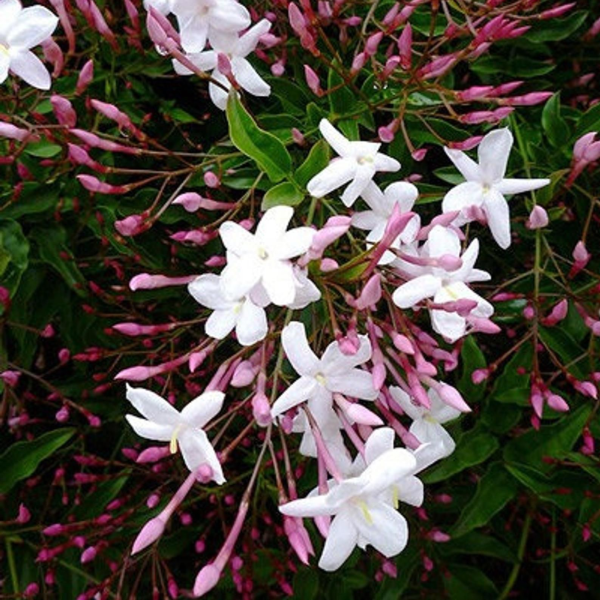
Jasminum polyanthum

Jasminum polyanthum is a vigorous evergreen climber that produces large clusters of fragrant, white star-shaped flowers from dark pink buds in spring. Foliage is dark green and glossy. This climbing plant creates an amazing screen as it provides perfect coverage for fences, pergolas, arches and walls. It thrives on full sun to part shade in

Jasminum polyanthum Read More »

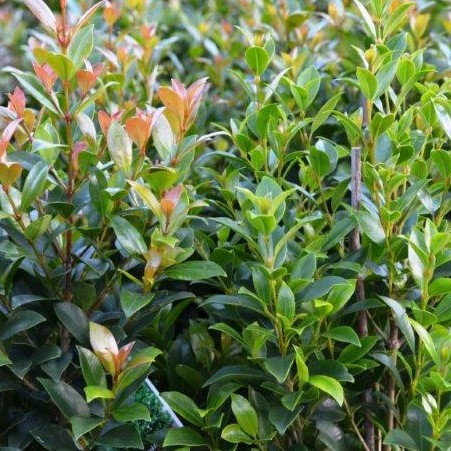
Syzygium Australe – Hinterland Gold

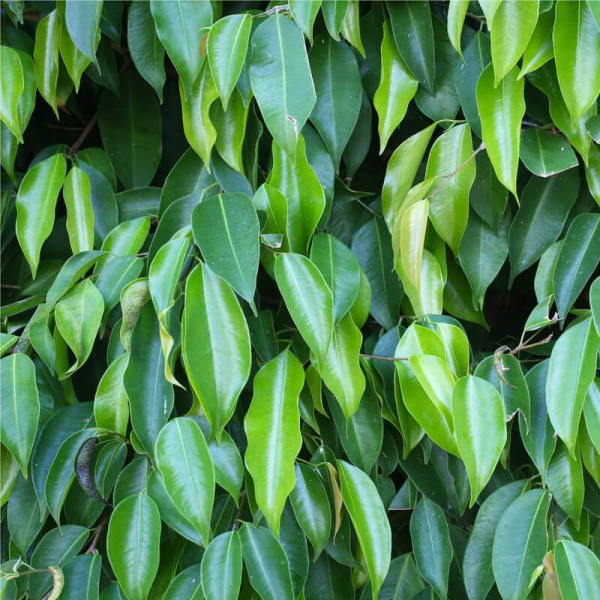
Common Name: Lilly Pilly Hinterland Gold is a feature plant throughout the year with its attractive green glossy foliage and feathery, cream-white flowers followed by purplish-pink, fleshy, edible berries. Ideal plant for screening and hedging. Plant in an open, sunny position in well drained, composted soil with a good mulch layer around the base of

Syzygium Australe – Hinterland Gold Read More »

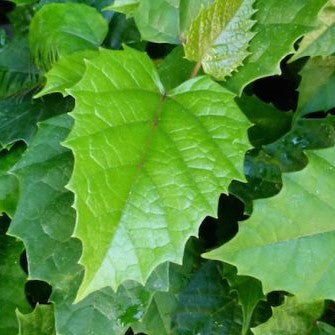
Philodendron cordatum – Hanging

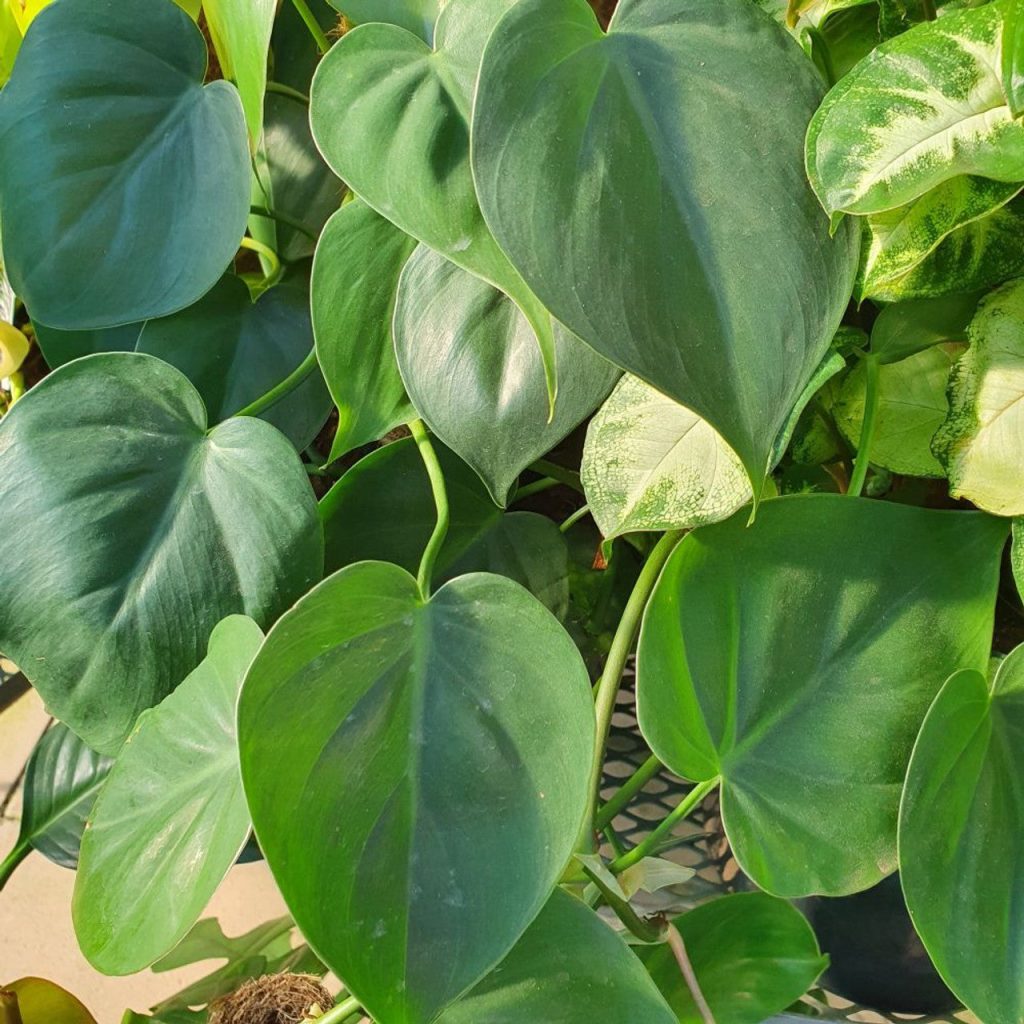
COMMON NAME: HEART-LEAF PHILODENDRON Philodendron cordatum, also known as the heartleaf philodendron, is a popular indoor plant prized for its beautiful appearance and low maintenance care requirements. With its glossy, heart-shaped leaves that can reach up to 2-4 inches in length, this plant adds a touch of lush greenery to any indoor setting. It is

Philodendron cordatum – Hanging Read More »

Neomarica Gracilis

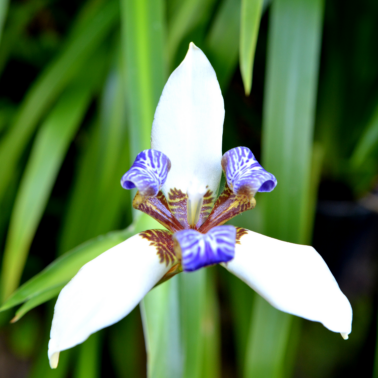
Common Name: Brazilian Walking Iris Neomarica gracilis commonly called the Brazilian Walking Iris is a gorgeous plant with long strappy lush green leaves. As the leaves grow long, they start arching to give a cascade of green lushness that looks amazing in a hanging basket. It is an excellent plant for ground cover, borders, or

Neomarica Gracilis Read More »

Chamaedorea Seifrizii

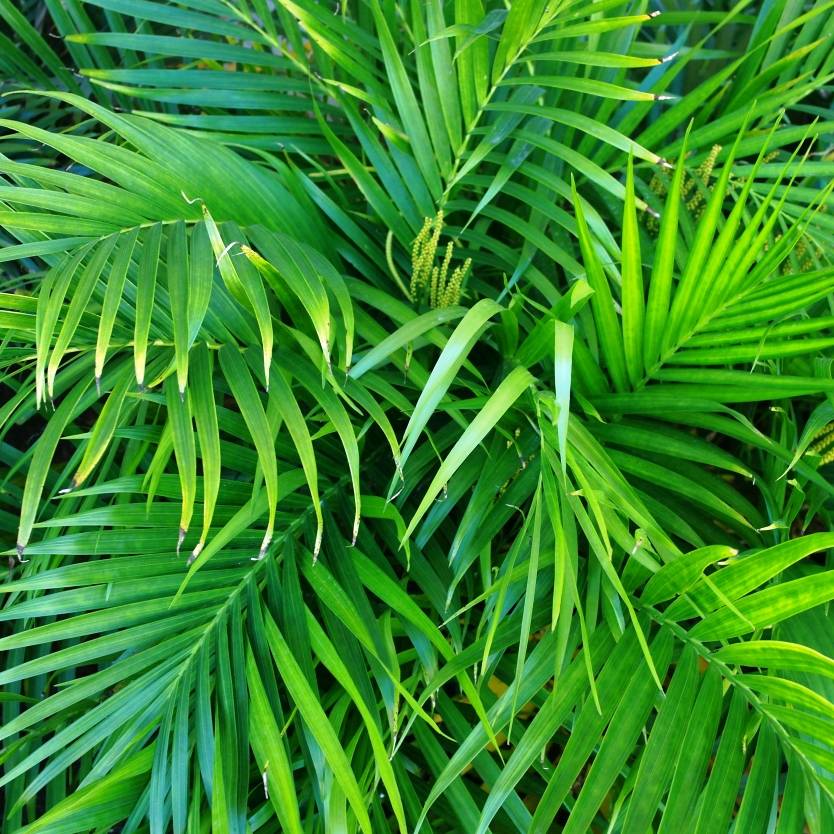
Common Name: Palm Chamaedorea encompasses a diverse group of palms commonly known as parlor palms or bamboo palms. These palms are appreciated for their elegant appearance, often featuring feather-like or pinnate leaves. The size of Chamaedorea species can vary, but they are generally smaller palms, making them well-suited for indoor cultivation. They are adapted to lower light

Chamaedorea Seifrizii Read More »