Plants & Tube

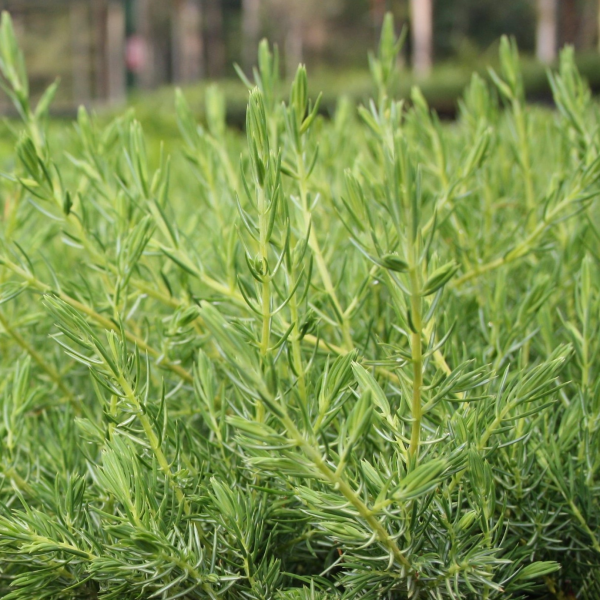
Juniperus Conferta

Common Name: Shore Juniper or Japanese Garden Juniper Juniperus conferta, also known as Shore Juniper or Japanese Garden Juniper, is a compact and evergreen shrub that is prized for its ground-hugging growth habit. Originating from Japan, it makes an excellent ground cover or erosion controller due to its dark green needle-like foliage and ability to withstand […]

Juniperus Conferta Read More »

Gastrolobium sericeum – Lemon Drops

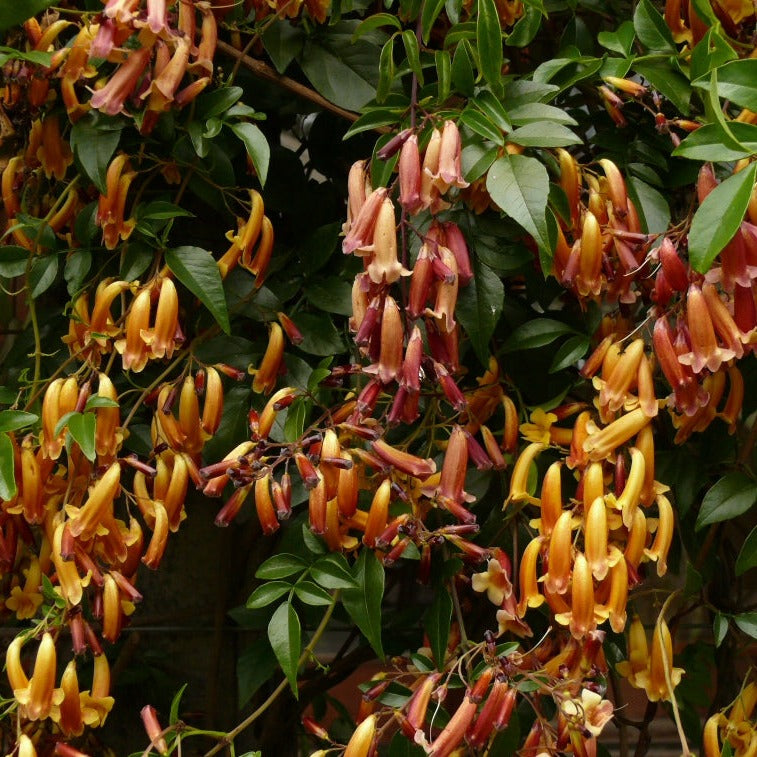
Gastrolobium sericeum, commonly known as Silky Gastrolobium, is an Australian native shrub with striking silvery-haired leaves that impart a unique texture. This medium-sized shrub, reaching up to 2 meters in height, is adorned with vibrant tubular flowers in shades of red, orange, and yellow. Silky Gastrolobium thrives in a Mediterranean climate, preferring full sun to

Gastrolobium sericeum – Lemon Drops Read More »

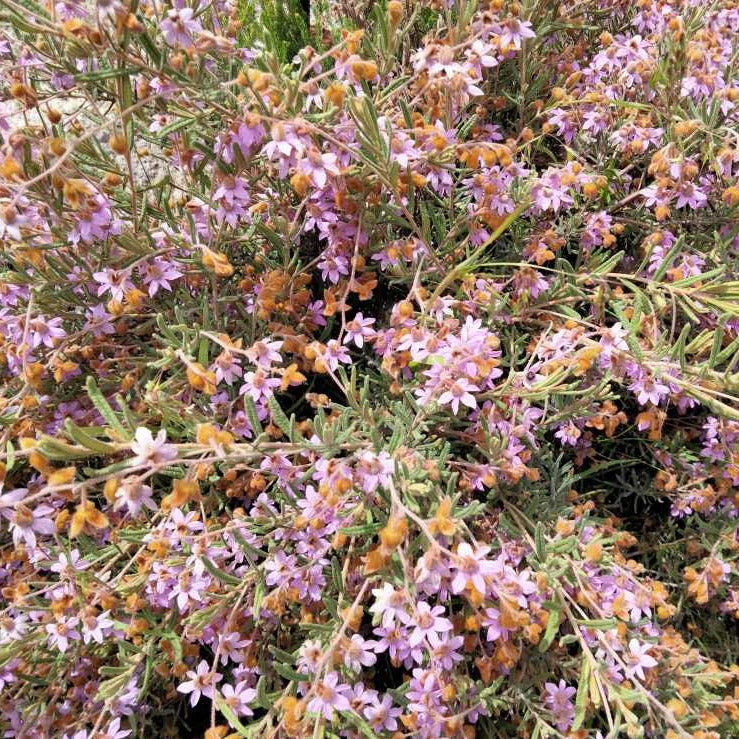
Lysiosepalum involucratum

Common Name: Purple Haze Lysiosepalum involucratum is a flowering shrub with striking purple flowers and narrow leaves. It thrives in a Mediterranean climate, needs well-draining soil, and is drought-tolerant. Pruning can shape the shrub and it is commonly used in gardens as a colorful border or focal point. Requires minimal maintenance once established.

Lysiosepalum involucratum Read More »

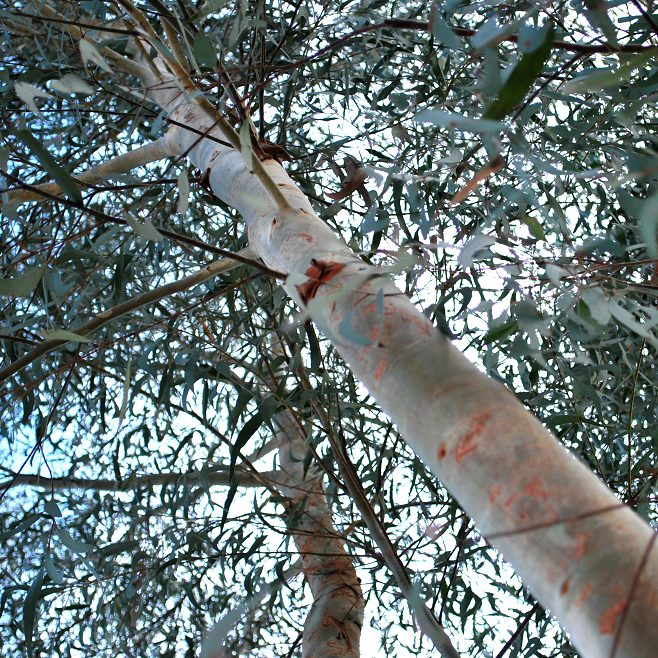
Eucalyptus citriodora

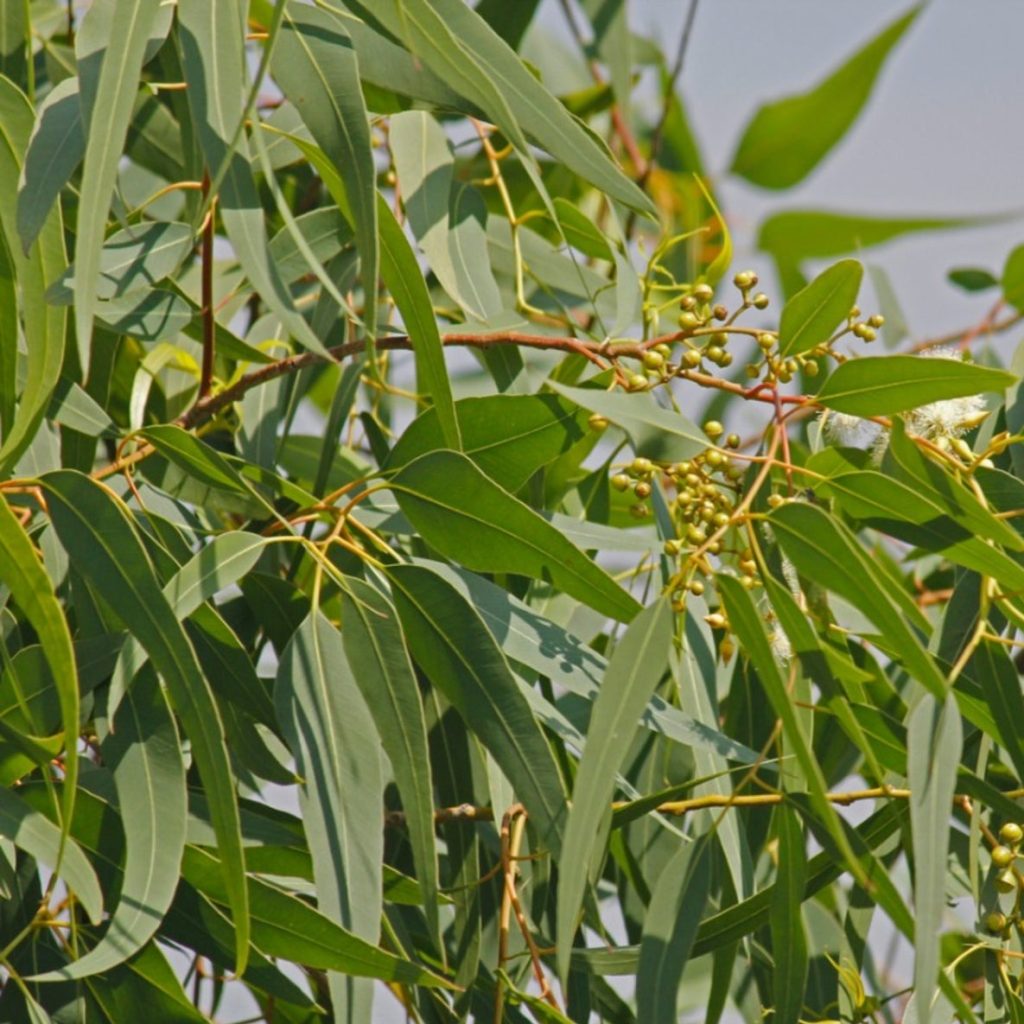
Common Name: Lemon Eucalyptus   Eucalyptus citriodora, also known as Lemon Eucalyptus, is a tree native to Australia with a distinctive lemon fragrance. Its essential oil is used in various applications, including aromatherapy, perfumes, and insect repellents. It is drought-tolerant and can adapt to various soil types, making it a popular choice for landscaping purposes. However,

Eucalyptus citriodora Read More »

Camellia Sasanqua Assorted

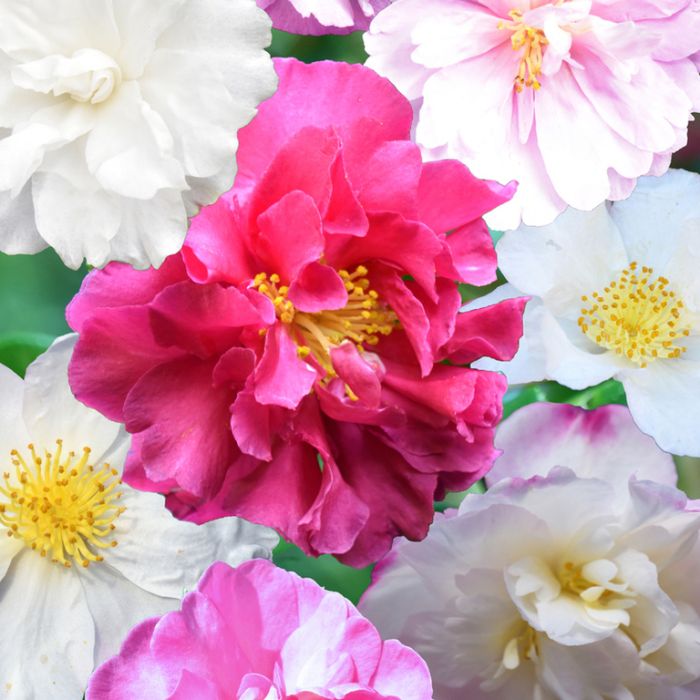
Common Name: Camellia With flowers from late summer to winter, sasanqua camellias make a long impact on the garden. Their flowers, which may be white, pink or red and range from single to double, are also attractive to nectar-eating birds including parrots and to beneficial insects. Most sasanquas are also lightly perfumed and can be

Camellia Sasanqua Assorted Read More »