
Syzygium Australe – Resilience
Common Name: Lilly Pilly
Syzygium Australe – Resilience Read More »
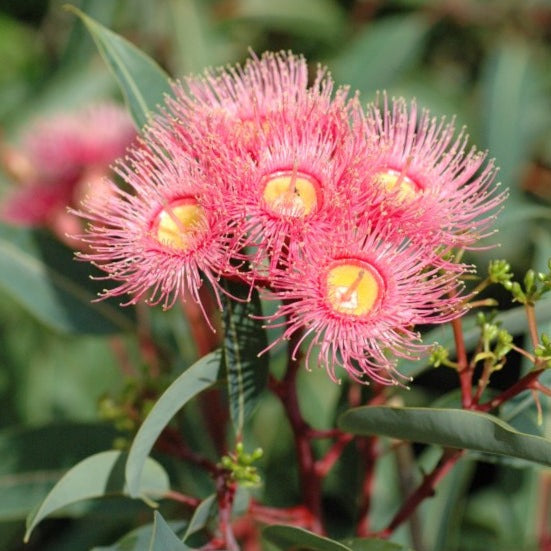
Common Name: Flowering Gum A very popular smaller grafted form of the Australian flowering gum growing to around 6m. Well suited to street tree plantings and any home garden. In summer it is covered in brilliant pink flowers.
Corymbia – Summer Beauty PBR syn. Eucalyptus Grafted Read More »
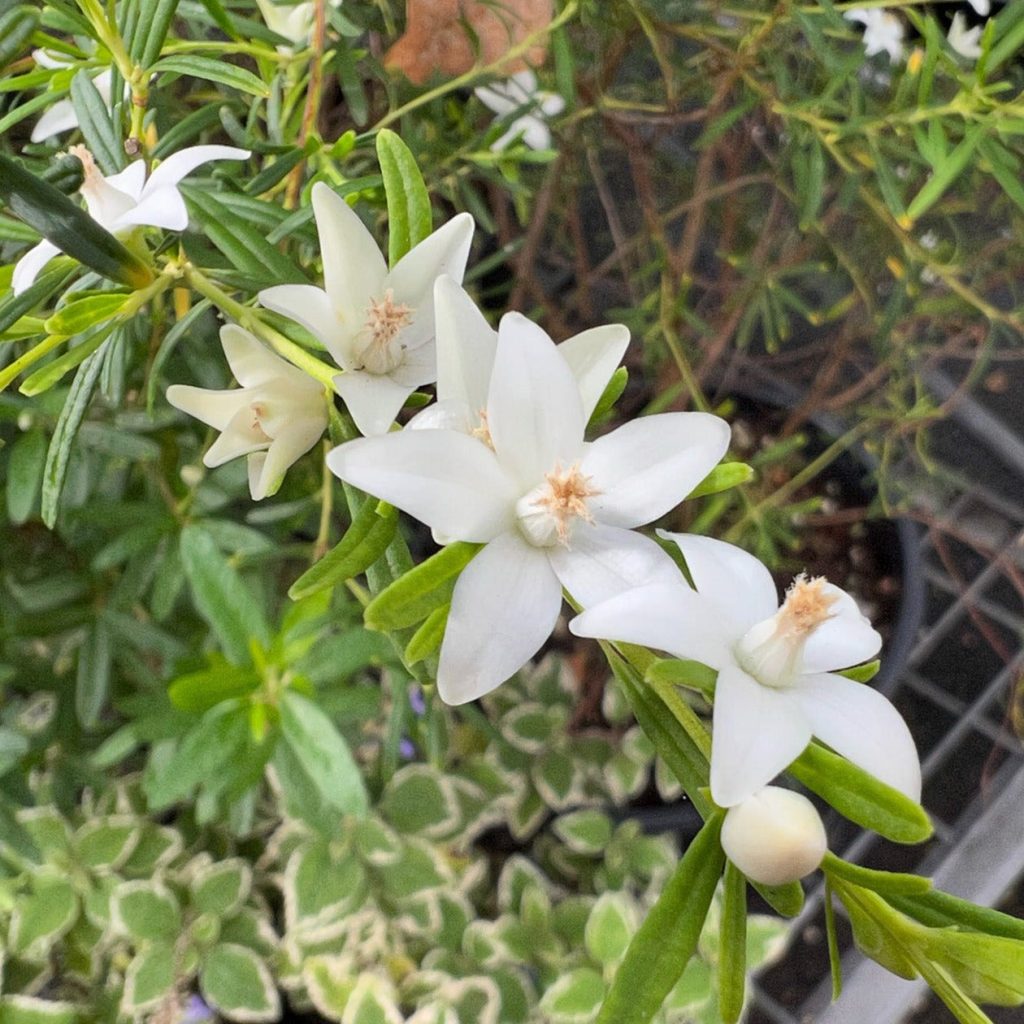
Common Name: Small Crowea, Waxflower Beautiful small native shrub for all gardens. Pink buds open to star-like pale-pink flowers that fade to pinkish-red from Summer to Winter. Scented Foliage is small and narrow.
Crowea exalata – Twice as Nice Read More »
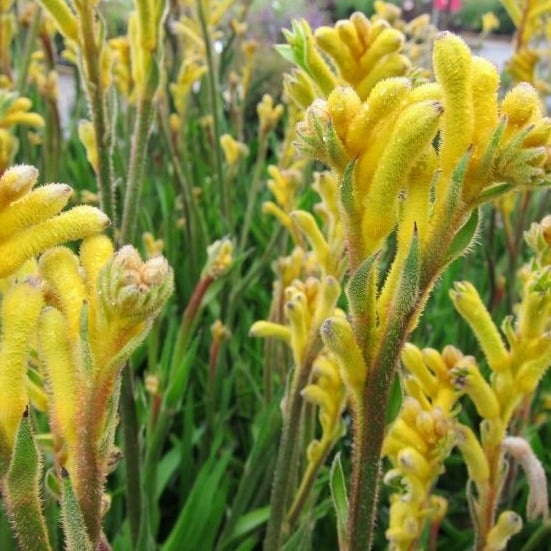
Common Name: Kangaroo Paw Sun Requirements: Flourishes in full sun. Adequate sunlight is essential for robust growth and abundant flower production. Planting: Best planted in spring or early autumn. Requires well-drained, sandy or loamy soil. Soil pH should be slightly acidic to neutral. Avoid heavy, poorly draining soils to prevent waterlogging and root rot. Watering:
Anigozanthos – Bush Bonanza PBR Read More »
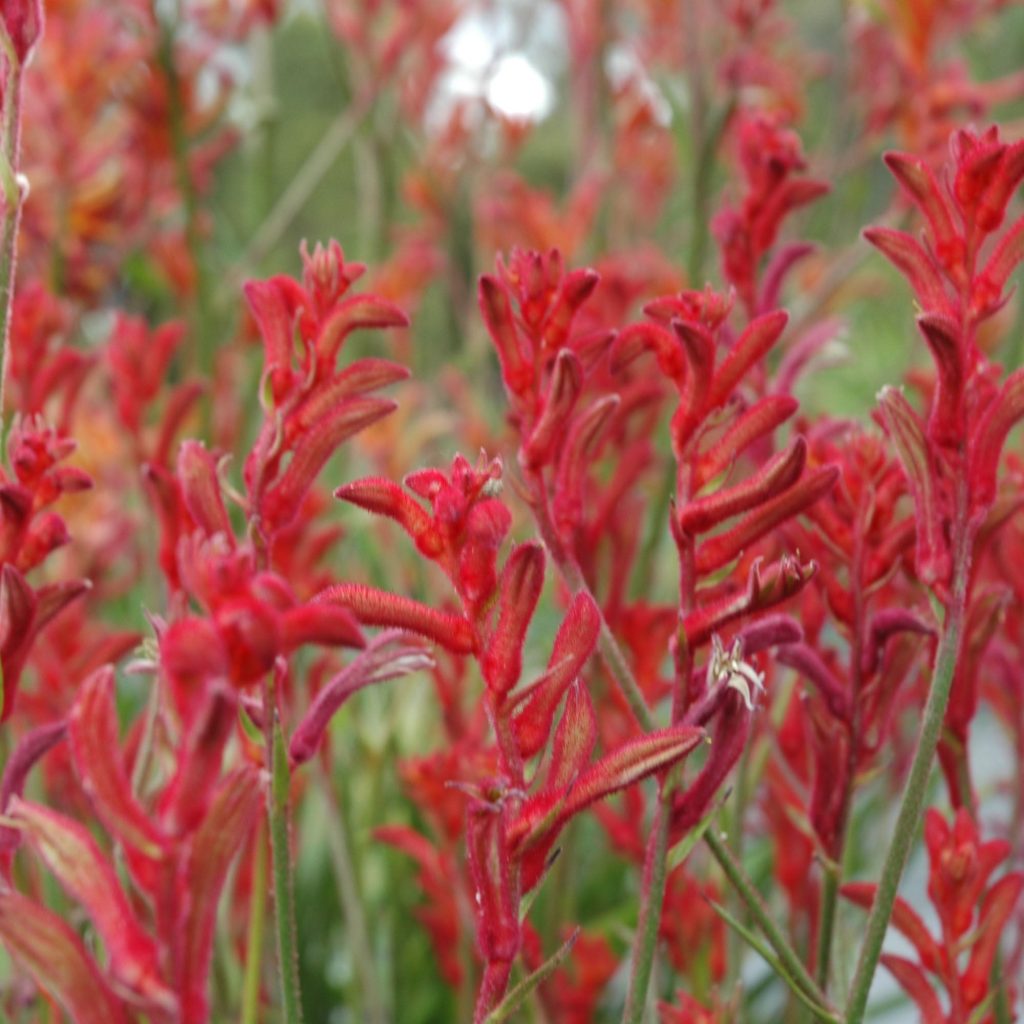
Common Name: Kangaroo Paw Sun Requirements: Thrives in full sun. Adequate sunlight is critical for optimal growth and vibrant flower production. Planting: Best planted in early spring or fall. Prefers well-drained, sandy, or loamy soil. Soil should be slightly acidic to neutral. Poorly draining, heavy clay soils should be avoided as they can lead to
Anigozanthos – Bush Ballad PBR Read More »
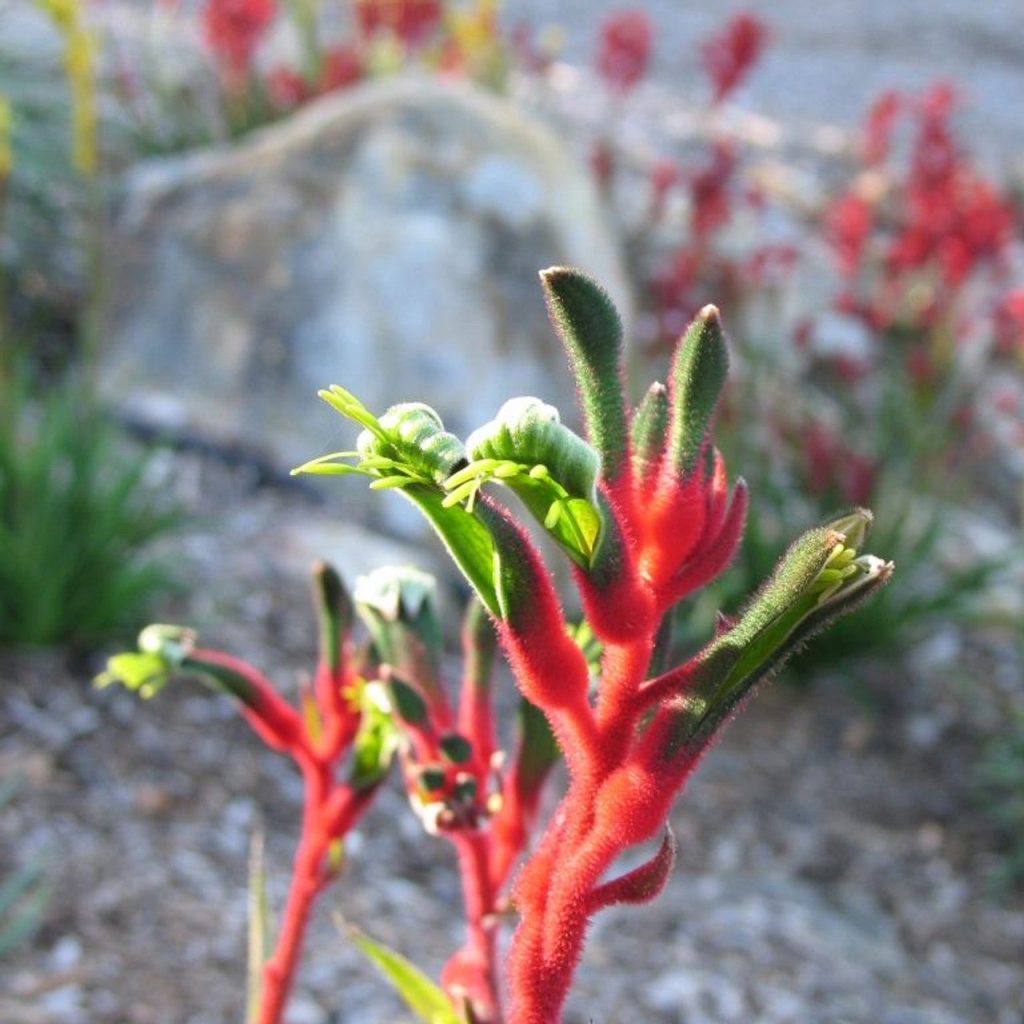
Common Name: Kangaroo Paw Sun Requirements: Flourishes in full sun. Adequate sunlight is essential for robust growth and profuse flowering. Planting: Best planted in spring or early autumn. Requires well-drained, sandy or loamy soil. Soil pH should be slightly acidic to neutral. Avoid heavy clay soils to prevent waterlogging and root rot. Watering: Requires regular
Anigozanthos – Bush Dance PBR Read More »
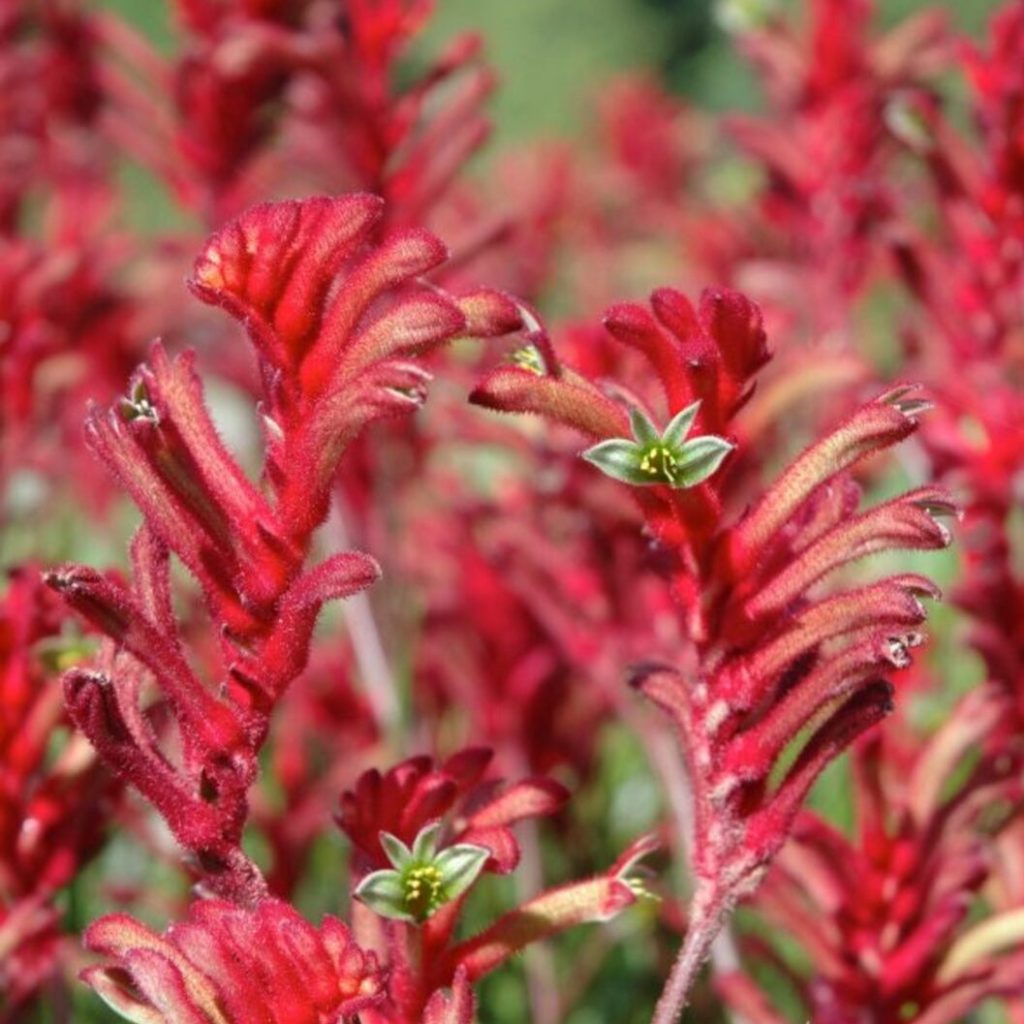
Common Name: Kangaroo Paw Sun Requirements: Flourishes in full sun. Ensure the plant receives ample sunlight for healthy growth and abundant flowering. Planting: Best planted in spring or early autumn. Opt for well-drained, sandy or loamy soil with a slightly acidic to neutral pH. Avoid heavy clay soils to prevent waterlogging and root rot. Watering:
Anigozanthos – Bush Elegance Read More »
Cylindrical, finger sized and shaped fruit. Fruit is usually produced in autumn. Slice the fruit open to reveal a vault of glistening citrus pearls bursting with juicy limey flavours. Trees will begin to produce fruit from the 2nd autumn after they’ve been planted.
Citrus australasica {Citrus – Finger lime Rainforest Pearl PBR} Grafted Read More »
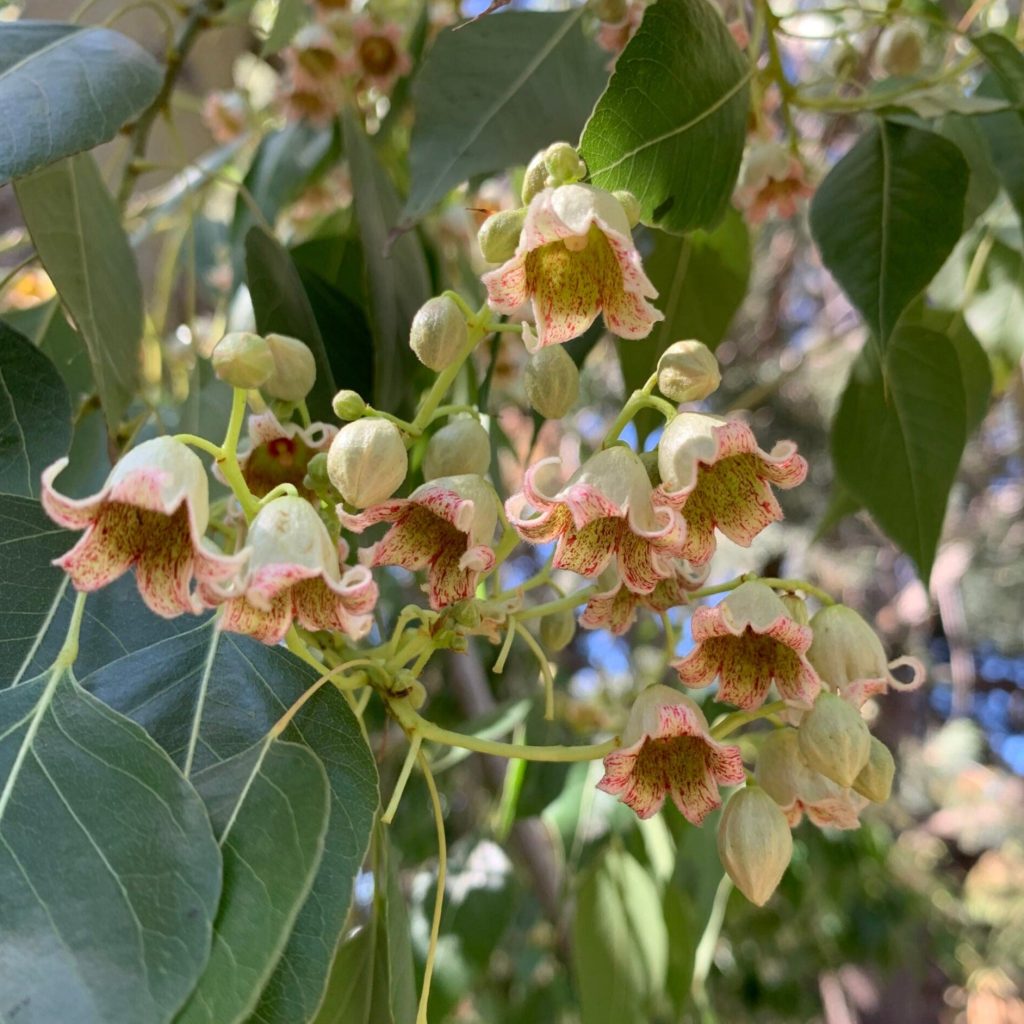
Common Name: The Kurrajong Tree Sun Requirements: Brachychiton populneus thrives in full sun to partial shade. It prefers a location with ample sunlight, especially during the growing season. Soil: Plant Brachychiton populneus in well-draining soil with good aeration. It can tolerate a variety of soil types, including sandy, loamy, or clay soils, as long as
Brachychiton Populneus Read More »
