
Vaccinium SP – Blueberry
Vaccinium SP – Blueberry Read More »

Hibbertia scandens produce large golden-yellow flowers for most of the year amongst dark green glossy leaves. This plant is an Australian native well accustomed to Australia’s ever-changing climate meaning it is extremely hardy and will tolerate the sometimes harsh conditions. Hibbertia scandens is ideal for groundcover, especially over embankments and with support, can become a
Hibbertia Scandens – Golden Twist Read More »
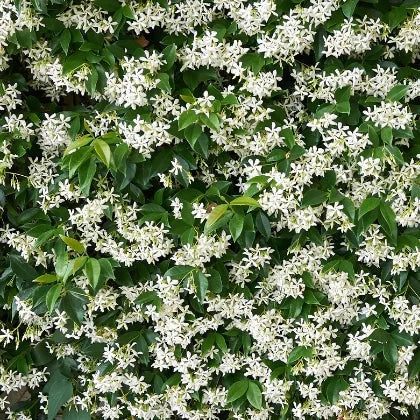
Common Name: Asian Star Jasmine
Trachelospermum Asiaticum – Arch Read More »
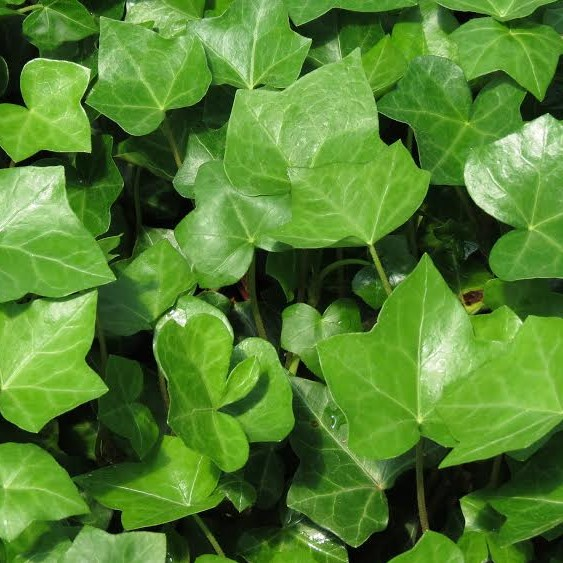
Hedera helix or common Ivy is a very hardy, evergreen climber that will cover anything with its dense, dark green foliage, from old buildings to steep banks and is very good at stabilising such areas.
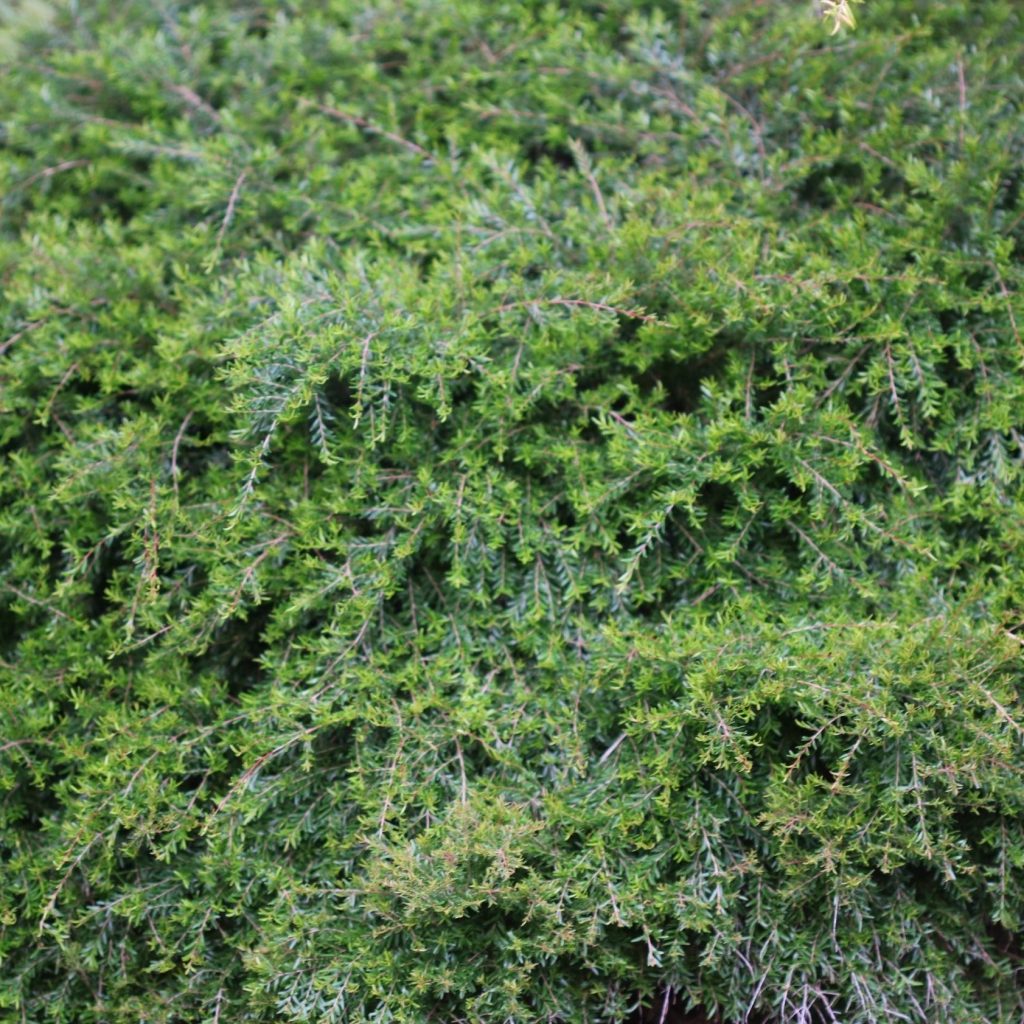
Common Name: Twiggy Heath Myrtle Dwarf Sun Requirements: Babingtonia virgata Compacta thrives in full sun to partial shade. It prefers a location with at least 6 hours of sunlight per day but can tolerate some shade, especially in hotter climates. Soil: Plant Babingtonia virgata Compacta in well-draining soil with good moisture retention. It can adapt
Babingtonia virgata Compacta Read More »
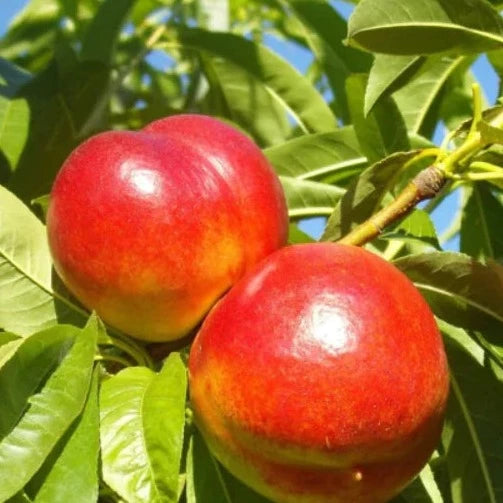
Common Name: Nectarine / Peacharine Prunus persica var. nucipersica, or nectarine, is a fuzz-free peach variety prized for its sweet, juicy flesh and firm texture. It thrives in warm climates with full sun exposure and can be used fresh or in cooking. A must-have for home orchards and gardens.
Prunus persica var. nucipersica Bagged – Peacharine Nect Read More »
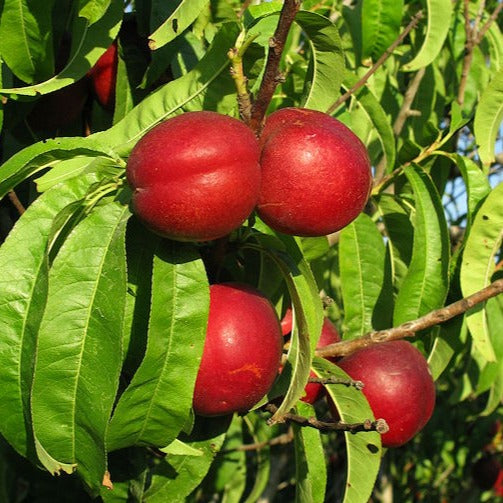
Common Name: Nectarine Prunus persica var. nucipersica, or nectarine, is a fuzz-free peach variety prized for its sweet, juicy flesh and firm texture. It thrives in warm climates with full sun exposure and can be used fresh or in cooking. A must-have for home orchards and gardens.
Prunus persica var. nucipersica Bagged Read More »
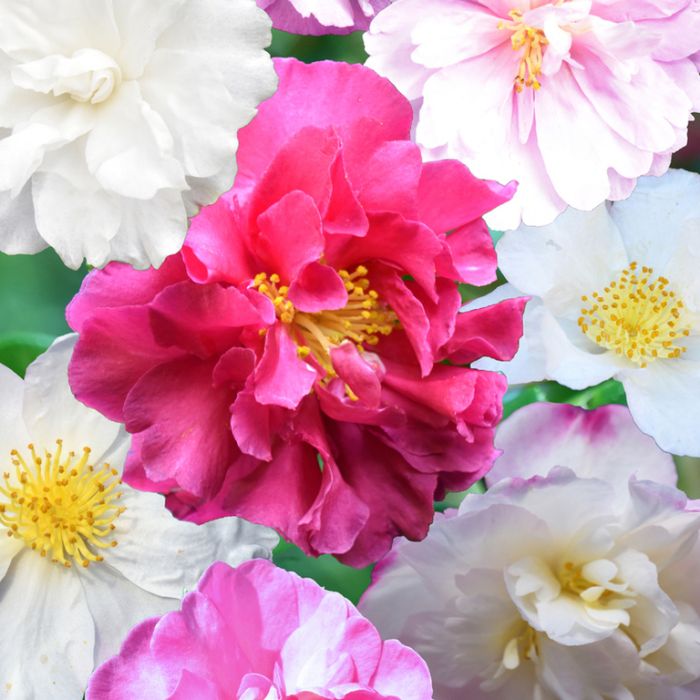
Common Name: Camellia With flowers from late summer to winter, sasanqua camellias make a long impact on the garden. Their flowers, which may be white, pink or red and range from single to double, are also attractive to nectar-eating birds including parrots and to beneficial insects. Most sasanquas are also lightly perfumed and can be
Camellia Hybrid Assorted Read More »
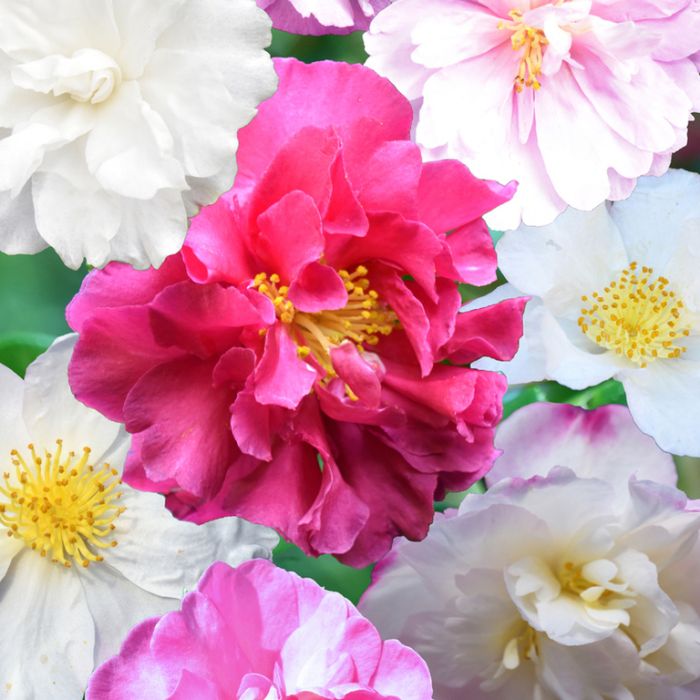
Common Name: Camellia With flowers from late summer to winter, sasanqua camellias make a long impact on the garden. Their flowers, which may be white, pink or red and range from single to double, are also attractive to nectar-eating birds including parrots and to beneficial insects. Most sasanquas are also lightly perfumed and can be
Camellia Hiemalis Assorted Read More »
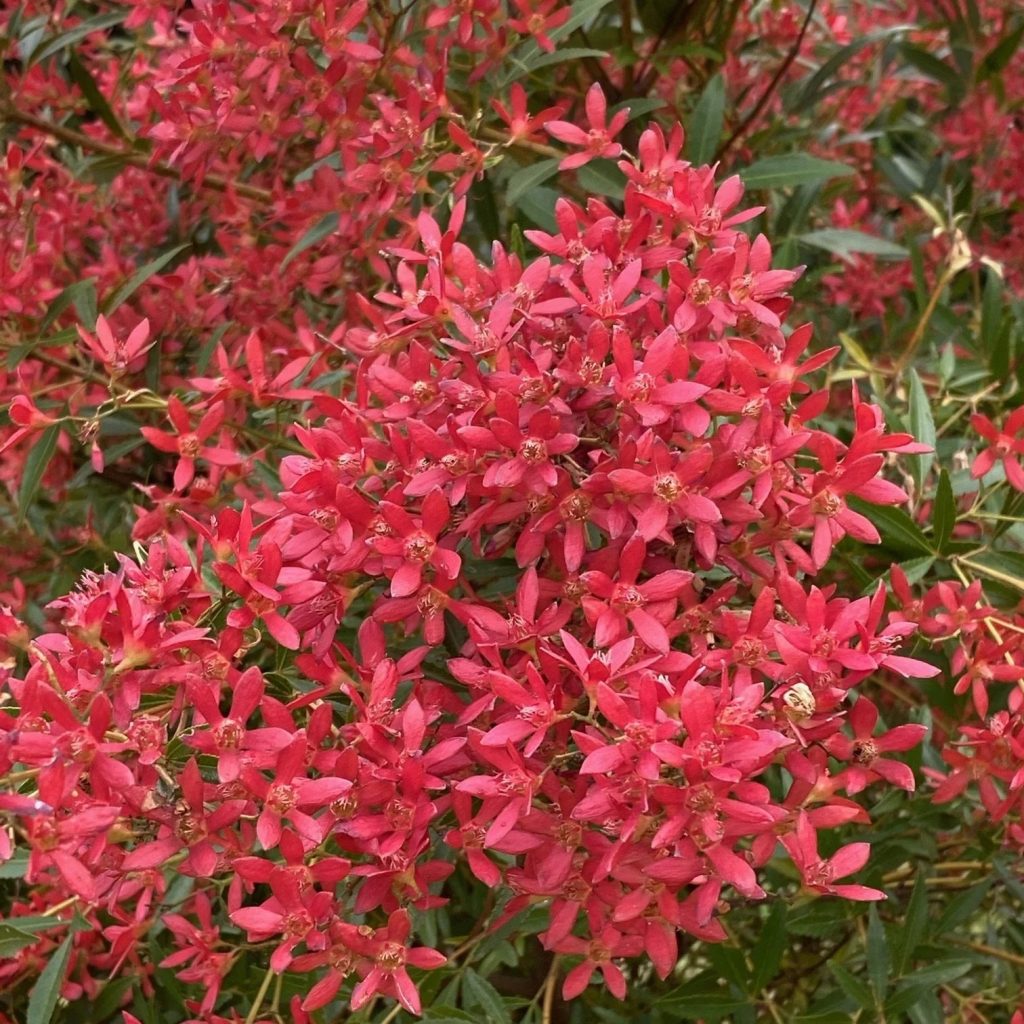
Tall compact evergreen native shrub or small tree with narrow shiny bronze foliage that turns green and a beautiful show of small red flowers in summer. Great to use for a colourful screen or in floral arrangements. Grows approx. 5m H x 2m W.
Ceratopetalum gummiferum Red Red Red Read More »
